Product Testing
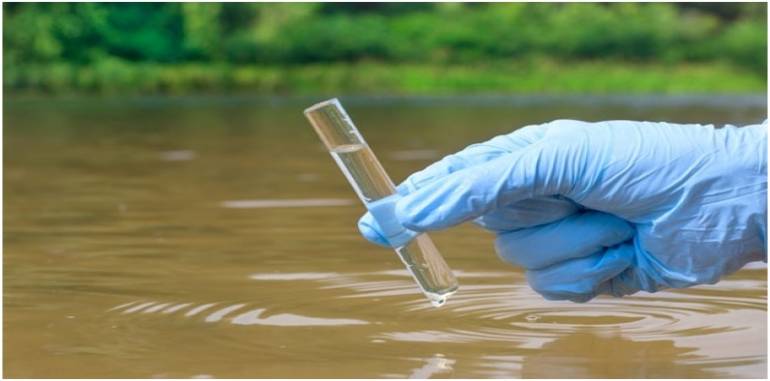
Water Testing
WHAT IS WATER TESTING?
Water testing is the process of analyzing water quality to ensure it meets safety,
health, and environmental standards. It is essential for confirming that water
is safe for drinking, industrial use, agricultural irrigation, recreational
activities, and environmental sustainability. Water testing includes a variety
of chemical, physical, biological, and radiological tests, each designed to
measure specific parameters and identify potential contaminants that may pose a
risk to health, property, and ecosystems.
IMPORTANCE OF WATER TESTING
1. Public Health
Protection: Ensures drinking water is free from contaminants like bacteria, heavy
metals, and chemicals that can cause diseases.
2. Environmental
Protection: Monitors and controls pollutants in natural water bodies, protecting
aquatic ecosystems and biodiversity.
3. Regulatory Compliance:
Helps industries, municipalities, and water providers comply with local
and international standards (e.g., EPA, WHO).
4. Agricultural and
Industrial Safety: Assures that water used in agriculture and
manufacturing processes is suitable and does not affect crop health or product
quality.
5. Resource Management: Aids in the
sustainable management of water resources by monitoring water quality trends
and guiding water treatment practices.
TYPES OF WATER TESTING
6. Drinking Water
Testing: Ensures potable water is safe for human consumption by analyzing for
bacteria, viruses, chemicals, and heavy metals.
7. Wastewater Testing: Monitors treated
and untreated wastewater to confirm that effluent meets environmental discharge
standards.
8. Surface Water Testing: Analyzes rivers,
lakes, and reservoirs to assess water quality for recreation, wildlife habitat,
and potential human use.
9. Groundwater Testing: Assesses
groundwater sources, such as wells, to detect contaminants from natural sources
or human activities.
10.
Irrigation Water Testing: Tests water used
for agriculture to ensure it is free from contaminants that could affect soil
health and crop growth.
11.
Industrial Water Testing: Examines water
quality in industrial processes, such as cooling, processing, and cleaning, to
ensure safe and efficient operations.
12.
Recreational Water Testing: Tests swimming
pools, hot tubs, and natural recreational waters for pathogens to prevent
illness among users.
KEY WATER QUALITY PARAMETERS
13.
Physical Parameters:
14.
Temperature: Affects biological activity and
chemical solubility, influencing water quality and aquatic life.
15.
Turbidity: Measures water clarity, indicating
the presence of suspended particles like silt, algae, or microorganisms.
16.
Color: Can be affected by organic materials,
algae, and pollutants, affecting water appearance and usability.
17.
Odor and Taste: Off-odors or
tastes can indicate chemical or microbial contamination.
18.
Total Dissolved Solids (TDS): Measures dissolved
ions in water, affecting taste and suitability for certain uses.
19.
Chemical Parameters:
20.
pH: Indicates water acidity or
alkalinity, essential for aquatic life and affecting corrosion or scaling in
pipes.
21.
Dissolved Oxygen (DO): Key to aquatic
health, DO levels reveal water’s ability to support life and indicate
pollution.
22.
Biochemical Oxygen Demand (BOD): Measures organic
matter decomposition, an indicator of water pollution by organic waste.
23.
Chemical Oxygen Demand (COD): Evaluates the
amount of oxygen needed to oxidize organic and inorganic matter, signaling
pollution.
24.
Nutrients: Nitrogen (nitrates) and phosphorous
levels can lead to eutrophication, causing excessive algae growth.
25.
Heavy Metals: Tests for lead, mercury, arsenic,
and other metals, which are toxic even at low concentrations.
26.
Pesticides and Herbicides: Detects
agricultural runoff contaminants harmful to humans and wildlife.
27.
Chlorine and Chloramines: Common
disinfectants in drinking water that need monitoring to avoid by-products.
28.
Microbiological Parameters:
29.
Coliform Bacteria: Indicator
organisms used to detect possible contamination by harmful pathogens.
30.
E. coli: Indicates fecal contamination and
potential presence of disease-causing organisms.
31.
Legionella: Monitored in water systems,
particularly for buildings, as it can cause Legionnaires’ disease.
32.
Cryptosporidium and Giardia: Protozoa that
resist chlorine treatment and cause gastrointestinal illness.
33.
Fungi and Algae: Evaluated in
surface waters and storage systems to prevent harmful algal blooms and maintain
aesthetic quality.
34.
Radiological Parameters:
35.
Radon: Naturally occurring radioactive gas
that can enter groundwater, posing cancer risks.
36.
Uranium and Radium: Radioactive
elements that can contaminate water, especially in areas near mining
operations.
37.
Gross Alpha and Beta Particles: Measured to assess
overall radioactive contamination in water.
38.
Specialized Testing:
39.
Pharmaceuticals and Personal Care Products (PPCPs):
Increasingly monitored as contaminants of emerging concern.
40.
Microplastics: Tiny plastic particles in water
bodies that affect aquatic life and may pose risks to human health.
41.
Endocrine Disruptors: Chemicals like
bisphenol A (BPA) that interfere with hormonal functions.
42.
Volatile Organic Compounds (VOCs): Industrial
chemicals like benzene and trichloroethylene, harmful to human health and the
environment.
COMMON METHODS IN WATER TESTING
43.
Gravimetric Analysis: Measures solids in
water by weighing the residue after evaporation, commonly used for TDS and
suspended solids.
44.
Titration: Used to determine specific chemicals
(e.g., hardness, alkalinity) by adding a known reactant and measuring the
reaction.
45.
Spectrophotometry: Analyzes the
concentration of various chemicals in water by measuring absorbance at specific
wavelengths.
46.
Chromatography: Separates and
identifies complex mixtures, especially useful for organic compounds,
pesticides, and pharmaceuticals.
47.
Atomic Absorption Spectroscopy (AAS): Determines the
concentration of metals in water by measuring light absorption at specific
frequencies.
48.
Polymerase Chain Reaction (PCR): Molecular
technique to detect and quantify microorganisms by amplifying DNA.
49.
Membrane Filtration: Isolates bacteria
by filtering water through a membrane, then culturing the bacteria on a growth
medium.
50.
Flow Cytometry: Rapidly counts and
analyzes cells in water, useful for bacterial and algal counts.
WATER TESTING STANDARDS AND REGULATORY
BODIES
1. EPA (Environmental
Protection Agency): Sets standards for drinking water quality in the
United States, including maximum contaminant levels.
2. WHO (World Health
Organization): Provides international guidelines on water quality and safety for
public health protection.
3. ISO (International
Organization for Standardization): Establishes global standards, such as
ISO 17025 for water testing labs and ISO 14046 for water footprint.
4. BIS (Bureau of Indian
Standards): Sets standards for drinking water quality and industrial effluents in
India.
5. EU Drinking Water
Directive: European Union standard that sets quality requirements for water
intended for human consumption.
6. NSF/ANSI Standards: Focus on the
health and safety of water treatment and distribution products.
APPLICATIONS OF WATER TESTING
7. Municipal Water
Supply: Regular testing to ensure the safety and quality of drinking water for
households and public facilities.
8. Wastewater Treatment:
Testing treated water before release into rivers or oceans to ensure
compliance with environmental standards.
9. Agricultural Water
Management: Verifies that water used for irrigation is free from harmful
contaminants that could affect soil or crops.
10.
Industrial Use: Ensures that water
used in processes (e.g., cooling, cleaning) is free of impurities that could
interfere with equipment or products.
11.
Environmental Conservation: Monitors water
bodies for pollutants and ecosystem health indicators, protecting aquatic life
and natural resources.
12.
Food and Beverage Industry: Ensures water used
in food production and cleaning meets strict hygiene and safety standards.
CHALLENGES IN WATER TESTING
1. Emerging Contaminants: Identifying and
measuring new pollutants, like pharmaceuticals and microplastics, requires
advanced testing methods.
2. Sampling Errors: Ensuring
representative samples from large water bodies or distributed sources to
accurately reflect water quality.
3. Testing Costs: Frequent and
comprehensive testing can be costly, especially for smaller communities or
organizations.
4. Timely Results: Some tests require
time to culture microorganisms or analyze complex compounds, leading to delays
in action.
5. Regulatory
Variability: Different countries have varying water quality standards, complicating
compliance for international companies.
6. Access to Clean Water: In regions with
limited infrastructure, testing and treating water to meet standards can be
challenging.
FUTURE TRENDS IN WATER TESTING
1. Real-Time Water
Monitoring: Development of sensors for continuous monitoring of water quality in
real-time, aiding in prompt responses to contamination.
2. Portable Testing Kits: Increasing use of
portable, field-friendly testing kits for on-site, rapid water quality
assessment, beneficial in rural areas.
3. AI and Machine
Learning: AI-driven data analysis helps predict contamination patterns and
optimize water treatment processes.
4. Microbial Genomics: Advanced genetic
testing of waterborne pathogens provides more accurate identification and health
risk assessment.
5. Smart Water
Management: IoT devices and smart systems track water quality and usage to optimize
resource management and reduce waste.
6. Focus on Sustainable
Testing: Development of eco-friendly testing methods that use fewer chemicals and
reduce sample waste, supporting sustainable practices.
Water testing remains vital to protect human health, maintain safe
ecosystems, and ensure water quality for all users.
📄 Document
Title: APPLICATION FORM OF WATER TESTING
📜 Document Instructions:
Format: 📝 Word Document
Service Related FAQ
What is product testing?
Product testing is the process of evaluating a product's performance, quality, and safety by testing it in real-world conditions or controlled environments. It helps ensure the product meets the standards before reaching the market.
Why is product testing important?
Product testing is crucial to ensure: • Safety and reliability • User satisfaction • Regulatory compliance • Durability and performance • Identifying potential issues or improvements
How are products tested?
Products can be tested in various ways, including: • Lab testing: Conducted in a controlled environment to analyze specific characteristics (e.g., strength, safety). • Field testing: Evaluates the product in real-life situations. • Consumer testing: A group of target users tests the product for feedback on usability and performance. • A/B testing: Comparing two versions of a product to determine which performs better.
Who conducts product testing?
Product testing is typically done by: • In-house teams within a company • Third-party testing organizations • Focus groups or test panels made up of consumers • Independent experts or laboratories
How long does product testing take?
The duration depends on the type of product and the scope of testing. Some products can be tested in a few weeks, while others might require months of testing, especially if they involve complex safety assessments or regulatory approvals.
What types of products are tested?
Nearly any type of product can undergo testing, including: • Electronics (e.g., phones, laptops) • Clothing and textiles • Food and beverages • Health and beauty products • Automotive parts • Household items • Toys and baby products
What are the different types of product tests?
Common types include: • Safety tests (e.g., checking for harmful chemicals or risks) • Performance tests (e.g., durability, battery life, usability) • Usability tests (e.g., how easy and intuitive it is for the user) • Market tests (e.g., focus groups, consumer feedback) • Compliance tests (e.g., ensuring the product meets industry standards)
Can consumers participate in product testing?
Yes! Many companies invite consumers to participate in product testing through online panels, focus groups, or direct consumer feedback. Some even offer free products or compensation for their time.
What are the benefits of product testing?
• Identifying flaws or design issues before launch • Increasing customer satisfaction by understanding consumer needs • Reducing the risk of product recalls or lawsuits • Gaining a competitive advantage with a high-quality product
How do companies select test participants?
Companies typically look for participants who represent their target audience. This could be based on factors like age, location, interests, or specific product needs. Participants may be selected through online sign-ups, social media calls, or market research firms.
What happens after testing?
After product testing, companies analyze the data collected, make necessary improvements, and adjust the design or production process. In some cases, further rounds of testing may be necessary before the product is launched.
What are the ethical considerations in product testing?
Ethical product testing involves: • Ensuring participants' privacy and confidentiality • Obtaining informed consent from testers • Avoiding misleading or harmful tests • Offering fair compensation to testers when applicable
How can I get involved in product testing?
• Sign up for product testing programs on company websites • Join consumer testing panels • Look for legitimate product testing websites that connect testers with brands • Follow brands on social media for announcements about new tests

