Certification
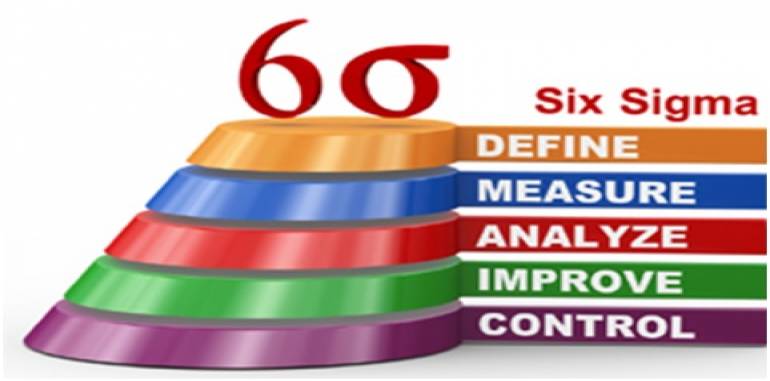
SIX SIGMA SERVICES (Define, Measure, Analyze, Improve, and Control)
The Six Sigma method uses a step-by-step
approach called DMAIC, an acronym that stands for Define, Measure, Analyze,
Improve, and Control. According to Six Sigma adherents, a business may solve
any seemingly unsolvable problem by following these five steps.
Benefits of Six Sigma Compliance Certification:
Six Sigma certification offers numerous
benefits for individuals and organizations. Here are some key advantages:
For Individuals:
1.
Career
Advancement: Certification can
enhance job prospects and open doors to higher-level positions. It is often a
requirement for roles in quality management and process improvement.
2.
Higher
Salary Potential: Certified
professionals often command higher salaries than their non-certified peers due
to their specialized skills.
3.
Skill
Development: The training equips
individuals with valuable skills in problem-solving, statistical analysis, and
project management.
4.
Increased
Confidence: Certification
provides individuals with the knowledge and tools to effectively lead projects
and initiatives, boosting their confidence in professional settings.
5.
Networking
Opportunities: Being part of the Six
Sigma community allows certified individuals to connect with other
professionals, sharing insights and experiences.
For Organizations:
1.
Improved
Quality: Six Sigma focuses on
reducing defects and improving processes, leading to higher quality products
and services.
2.
Cost
Reduction: By identifying and
eliminating inefficiencies, organizations can reduce costs associated with
waste and errors.
3.
Enhanced
Customer Satisfaction:
Improved processes lead to better quality and service, which enhances customer
satisfaction and loyalty.
4.
Data-Driven
Decision Making: Six Sigma emphasizes
the use of data and statistical analysis, helping organizations make informed
decisions based on facts rather than assumptions.
5.
Cultural
Transformation: Implementing Six
Sigma can foster a culture of continuous improvement, where employees are
encouraged to identify issues and propose solutions.
6.
Competitive
Advantage: Organizations that
successfully implement Six Sigma methodologies can differentiate themselves in
the marketplace by offering superior quality and efficiency.
Conclusion
Overall, Six Sigma certification is a valuable investment for
both individuals seeking career growth and organizations aiming to improve
their operations and bottom line.
📄 Document
Title: APPLICATION FORM OF SIX SIGMA SERVICE
📜 Document Instructions:
Format: 📄 PDF
Service Related FAQ
What is product certification?
Product certification is the process where a product is tested and evaluated by an accredited third party to ensure it meets specific safety, quality, or performance standards. This certification confirms that the product complies with regulatory or industry standards.
Why is product certification important?
Certification ensures product safety, reliability, and compliance with laws and regulations. It builds consumer trust, provides a competitive edge, and can be a legal requirement in many industries.
What types of products require certification?
The need for certification depends on the product and industry. Commonly certified products include electronics, toys, medical devices, food products, and construction materials. It may also be required for products with environmental or energy-related claims, like energy-efficient appliances.
What are the common types of product certifications?
• Safety Certifications: Ensures products meet safety standards (e.g., CE marking in Europe, UL for electronics in the U.S.). • Quality Certifications: Demonstrates consistent product quality (e.g., ISO 9001). • Environmental Certifications: For products that meet eco-friendly standards (e.g., Energy Star, EPEAT). • Organic Certifications: For products made with organic materials (e.g., USDA Organic). • Health Certifications: For products in the medical, pharmaceutical, and food industries (e.g., FDA approval, NSF certification).
How do I get my product certified?
The process varies by certification type and country. Generally, it involves: 1. Identifying the right certification body: Choose an accredited agency or organization for the certification. 2. Testing: The product may need to undergo testing for quality, safety, or performance. 3. Compliance with standards: Ensure the product meets the relevant standards or regulations. 4. Certification application: Submit an application and relevant documentation. 5. Audit and inspection: Some certifications require an audit or on-site inspection. 6. Receiving the certification: If the product passes all requirements, you will receive the certification.
How long does the certification process take?
The duration depends on the complexity of the product and the type of certification. It can range from a few weeks to several months. The process may be quicker for standard products and longer for high-risk or complex ones.
Is product certification mandatory?
It depends on the product and country. Some certifications are required by law (e.g., food and drug safety), while others are voluntary but can improve marketability. It's essential to check local regulations and industry requirements
What happens if my product doesn’t meet certification standards?
If your product fails certification, you may be required to make modifications to meet the standards. Depending on the severity of non-compliance, you might need to redesign the product or improve testing procedures. Failing to comply can result in penalties, fines, or inability to market the product.
Can I use a certification from one country in another?
Some certifications are internationally recognized (e.g., CE mark in the EU, UL mark in the U.S.), while others may be country-specific. It’s important to ensure that the certification complies with the regulatory standards of the country where you intend to sell the product.
How long is product certification valid?
Product certifications typically have a validity period and may need to be renewed periodically (e.g., every 1-3 years). Renewal may involve additional testing or audits to ensure ongoing compliance.
Can I market my product without certification?
While it may be possible to sell uncertified products in certain markets, it is not advisable, especially for products subject to strict regulations (e.g., toys, electronics, food, etc.). Lack of certification can result in legal consequences, consumer distrust, and challenges in entering certain markets.
What is the cost of product certification?
Certification costs vary widely based on the product type, certification body, and testing requirements. Fees may include application fees, testing fees, inspection costs, and renewal costs. Always request a quote to understand the full cost involved.
What is the difference between self-certification and third-party certification?
• Self-certification: The manufacturer or company declares that the product meets the required standards without external verification. This is common for low-risk products. • Third-party certification: An independent accredited organization tests and certifies that the product complies with relevant standards. This is often required for high-risk or regulated products.
Can I use the certification logo on my product packaging?
Yes, once your product is certified, you can usually use the certification logo or mark on your product packaging. However, there are rules governing the use of these logos, and unauthorized use may result in legal action. Always confirm with the certifying body the proper guidelines for displaying the logo.
What are the risks of not certifying a product?
Risks include: • Legal issues and fines for non-compliance. • Product recalls if the product is found to be unsafe. • Loss of consumer trust and brand reputation. • Inability to enter certain markets or industries that require certification.

