Training
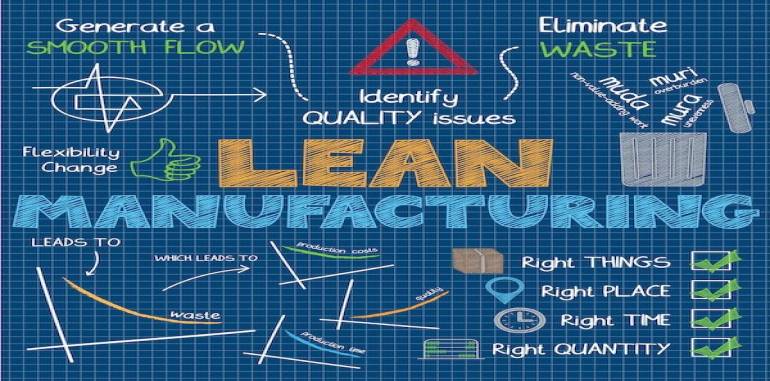
LEAN MANUFACTURING
Lean Manufacturing
Training focuses on
teaching principles, tools, and practices to help organizations improve
efficiency, reduce waste, and create more value with fewer resources. Lean is widely
used in manufacturing but can be applied to many types of organizations to
optimize operations, improve customer satisfaction, and reduce costs.
Here’s an overview of
what Lean Manufacturing Training entails and how it’s conducted.
1. WHAT IS LEAN
MANUFACTURING?
Lean Manufacturing is
a systematic approach to eliminating waste within a manufacturing system.
"Waste" is defined as anything that does not add value to the end
customer. Lean focuses on maximizing customer value through continuous
improvement while minimizing resource use.
Lean Manufacturing
principles originated from the Toyota Production System and include several
core elements:
- Identifying and
eliminating waste: Waste
types include overproduction, waiting, transport, extra processing,
inventory, motion, and defects (often remembered by the acronym TIMWOOD).
- Improving flow and
efficiency: Ensuring a smooth production
flow to minimize delays and bottlenecks.
- Continuous
improvement (Kaizen):
Ongoing small improvements to improve processes over time.
2. GOALS OF LEAN
MANUFACTURING TRAINING
- The primary goals of Lean
Manufacturing Training are to:
- Understand Lean principles and
their applications.
- Learn to identify and eliminate
waste in processes.
- Improve efficiency, quality,
and production flow.
- Foster a culture of continuous
improvement.
- Enhance problem-solving skills
and use Lean tools effectively.
- Lean training also builds
teamwork, since Lean initiatives require cross-functional collaboration
and input from all levels of the organization.
3. HOW LEAN
MANUFACTURING TRAINING IS CONDUCTED
- Lean Manufacturing Training is
often hands-on and combines classroom instruction, simulations, and
practical application. It is often divided into levels or modules, each
covering a different aspect of Lean. Common Lean training programs
include:
a. Introduction to Lean
(for all levels)
- This foundational training
covers Lean principles, types of waste, and the basics of Lean
methodology.
- Introduces participants to the
core Lean tools and concepts like the 5S, Value Stream Mapping, and
Kaizen.
b. Lean Tools and
Techniques (intermediate level)
- 5S (Sort, Set in
Order, Shine, Standardize, Sustain):
Organizing and maintaining a clean, efficient workspace.
- Value Stream
Mapping (VSM):
Visualizing and analyzing the flow of materials and information required
to bring a product or service to a customer.
- Kanban: A scheduling system for lean and just-in-time (JIT)
production.
- Kaizen (Continuous
Improvement): Incremental improvements that
reduce waste and improve process efficiency.
- Poka-Yoke (Mistake
Proofing): Techniques to prevent errors
and defects from occurring.
- Standard Work: Documenting best practices for consistency and
efficiency.
c. Lean Problem-Solving
and Root Cause Analysis (advanced level)
- Root Cause Analysis
and 5 Whys: Determining the cause of
problems rather than just addressing symptoms.
- A3 Problem Solving:
A structured problem-solving
tool used to identify issues, analyze root causes, and develop action
plans.
- PDCA
(Plan-Do-Check-Act):
A cyclical model for continuous improvement.
- DMAIC (Define,
Measure, Analyze, Improve, Control): A
data-driven improvement cycle used in Six Sigma and Lean practices.
d. Advanced Lean
Concepts (for Lean practitioners or Lean leaders)
- Total Productive
Maintenance (TPM): Improving
machinery reliability to prevent downtime and increase efficiency.
- Quick Changeover
(SMED): Techniques to reduce the time
required to switch from one production process to another.
- Jidoka
(Autonomation): Building
in mechanisms for identifying and stopping defects.
- Just-In-Time (JIT)
Production: Producing only what is needed,
when it is needed, to minimize inventory and waste.
4. TRAINING METHODS IN
LEAN MANUFACTURING
Lean training combines
theory with practical, hands-on activities. Common training methods include:
- Classroom Training: Lean concepts and methodologies are taught through
presentations, lectures, and discussions.
- Workshops and
Hands-On Simulations:
Participants engage in simulated production activities that demonstrate
Lean principles, such as reducing waste and improving flow.
- Gemba Walks: A “Gemba Walk” involves going to the place where work
is done (the shop floor) to observe processes and identify improvement
opportunities.
- Case Studies: Reviewing real-world examples of Lean implementations
to understand applications and outcomes.
- On-the-Job Training
and Kaizen Events: Employees
apply Lean techniques to real problems on the shop floor in a structured,
team-based improvement event.
5. CERTIFICATION LEVELS
IN LEAN MANUFACTURING
Lean training often
includes certification levels, which indicate increasing proficiency:
- White Belt: Basic understanding of Lean concepts and principles,
often a short introductory course.
- Yellow Belt: Intermediate knowledge with some hands-on experience,
covering basic Lean tools like 5S and Kaizen.
- Green Belt: In-depth understanding, with skills to lead projects
in Lean problem-solving and implement Lean improvements.
- Black Belt: Advanced training for Lean leaders and coaches who
manage multiple projects and drive Lean strategy.
- Master Black Belt: The highest level, focusing on training and mentoring
Black Belts and guiding Lean at a strategic level.
6. BENEFITS OF LEAN
MANUFACTURING TRAINING
Organizations that
invest in Lean Manufacturing Training often realize multiple benefits:
- Increased
efficiency and productivity:
Lean-trained employees improve process flow, reduce delays, and maximize
output.
- Reduced costs: By eliminating waste, companies can reduce costs
associated with overproduction, excess inventory, and quality issues.
- Improved quality: Consistent, standardized processes and error-proofing
methods lead to higher quality products and fewer defects.
- Enhanced employee
engagement: Lean promotes a culture of
continuous improvement, encouraging employees to take an active role in
problem-solving and improvement.
- Efficient processes lead to faster
delivery, better quality, and more consistent outcomes for customers.
In summary, Lean
Manufacturing Training equips employees and teams with the knowledge and tools
to identify and eliminate waste, improve efficiency, and drive continuous
improvement. This training is essential for organizations looking to create a
culture of operational excellence and deliver greater value to customers.

