Training
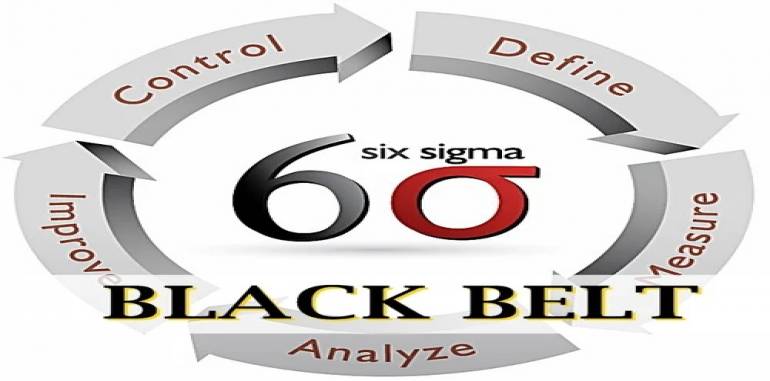
SIX SIGMA BLACK BELT
Six Sigma Black Belt
Training is an
advanced-level program designed to equip participants with in-depth knowledge
of the Six Sigma methodology, tools, and techniques. This training prepares
individuals to lead complex process improvement projects, analyze data, and
drive organizational improvements using Six Sigma principles. Black Belts are
leaders in process optimization and problem-solving within their organizations
and typically oversee improvement teams.
1. WHAT IS SIX SIGMA
BLACK BELT TRAINING?
Six Sigma is a
data-driven methodology aimed at reducing process variability, improving
quality, and achieving near-perfect process outputs. Six Sigma Black Belt
Training focuses on the DMAIC (Define, Measure, Analyze, Improve,
Control) methodology and advanced statistical and process analysis tools. Black
Belts are trained to handle larger, cross-functional projects that require
significant data analysis and change management skills.
Key Objectives of Black
Belt Training:
Develop a mastery of
Six Sigma tools, techniques, and methodologies.
Gain expertise in
statistical and process analysis to identify areas for improvement.
Lead Six Sigma
projects, guiding teams through the DMAIC phases.
Foster a culture of
continuous improvement in the organization.
2. STRUCTURE OF SIX
SIGMA BLACK BELT TRAINING
Black Belt Training is
typically intense and spans multiple weeks or months, depending on the training
format (in-person, online, or hybrid). The training includes classroom
instruction, practical exercises, real-life projects, and assessments. The
curriculum typically covers the following areas:
Phase 1: Define
Understanding Six Sigma
Principles: History of Six Sigma,
principles of Lean and Six Sigma, and Six Sigma roles (Yellow, Green, Black,
Master Black Belt).
Project Selection and
Scoping: Techniques for
identifying, selecting, and scoping Six Sigma projects.
Voice of the Customer
(VOC): Gathering and
translating customer needs into measurable project goals.
Project Charter
Development: Defining project
objectives, scope, resources, and timelines.
Team Roles and
Responsibilities: Identifying and
organizing team members, setting expectations, and fostering collaboration.
Phase 2: Measure
Process Mapping and
Documentation: Using tools like
SIPOC (Suppliers, Inputs, Process, Outputs, Customers) diagrams to understand
processes.
Data Collection and
Measurement System Analysis (MSA): Techniques for collecting reliable data, including sampling
strategies and evaluating measurement systems for accuracy.
Descriptive Statistics: Basic statistical measures, including mean,
median, standard deviation, and data distribution analysis.
Process Capability
Analysis: Calculating process
capability (Cp, Cpk) to assess current process performance against Six Sigma
standards.
Phase 3: Analyze
Root Cause Analysis: Identifying the root causes of process issues
using tools such as Fishbone Diagrams, 5 Whys, and Failure Mode and Effects
Analysis (FMEA).
Advanced Statistical
Analysis: Techniques such as
hypothesis testing, regression analysis, analysis of variance (ANOVA), and
correlation analysis to analyze data and identify patterns.
Value Stream Mapping: Identifying value-added and non-value-added
steps within a process.
Process and Data
Analysis Tools: Using Minitab or
other statistical software for data analysis.
Phase 4: Improve
Design of Experiments
(DOE): Understanding how
changes to variables affect outputs; designing and conducting experiments to
find optimal process settings.
Lean Tools for Process
Improvement: Applying Lean
principles such as 5S, Kaizen, and error-proofing (Poka-Yoke) to improve
process flow.
Implementation of
Solutions: Prioritizing,
testing, and implementing improvements; using pilot testing to validate
solutions.
Cost-Benefit Analysis: Assessing the financial impact of process
improvements.
Phase 5: Control
Control Plans: Developing a control plan to monitor
improvements and ensure they are sustained over time.
Statistical Process
Control (SPC): Using control charts
to monitor process performance and detect variations.
Documentation and
Standardization: Creating process
documentation, updating standard operating procedures (SOPs), and training
employees on new standards.
Project Handover and
Closure: Ensuring that
improvements are institutionalized and that the project has clear ownership for
future maintenance.
3. KEY COMPONENTS OF SIX SIGMA BLACK BELT
TRAINING
Six Sigma Black Belt
Training includes a range of learning components to develop both theoretical
knowledge and practical application skills:
Classroom Instruction: In-depth sessions on Six Sigma principles,
statistical tools, and Lean methodologies.
Practical Exercises: Hands-on exercises to reinforce learning,
such as problem-solving exercises, statistical analysis, and team activities.
Software Training: Proficiency in statistical software (such as
Minitab or Excel) for analyzing data and managing Six Sigma projects.
Real-World Projects: Many programs require participants to
complete a real-life Six Sigma project, which often involves identifying,
analyzing, and improving a process within their organization.
Mentoring and Coaching: Black Belt candidates may work with Master
Black Belts or experienced Black Belts for guidance on applying Six Sigma
methods to specific projects.
4. COMMON TRAINING
METHODS FOR BLACK BELT TRAINING
Six Sigma Black Belt
Training uses a variety of methods to ensure that participants develop the skills
needed to lead improvement projects effectively:
Lectures and
Presentations: Covering the theory,
principles, and detailed steps of Six Sigma.
Workshops and Group
Activities: Interactive sessions
where participants apply Six Sigma tools and techniques to hypothetical or
simulated cases.
Case Studies: Reviewing real-life examples to demonstrate
how Six Sigma principles have been applied successfully.
Project-Based Learning: Conducting an actual Six Sigma project as
part of the certification requirement.
Examinations and
Assessments: Testing understanding
and proficiency in Six Sigma tools, techniques, and statistical methods.
One-on-One Mentoring: Guidance from Six Sigma experts to
troubleshoot challenges and provide insights on project management.
5. BENEFITS OF SIX SIGMA
BLACK BELT TRAINING
Black Belt Training
equips individuals and organizations with the skills to lead transformative
process improvements. Key benefits include:
Advanced Problem-Solving
Skills: Black Belts are
trained to analyze complex data, identify root causes, and develop effective
solutions.
Process Optimization and Cost Reduction: Black Belts help organizations eliminate
inefficiencies, reducing costs, and improving customer satisfaction.
Enhanced Leadership
Skills: Black Belts lead
cross-functional teams, providing valuable leadership experience in managing
projects.
Organizational Impact: Black Belts contribute significantly to the
organization's goals by improving quality, efficiency, and profitability.
Career Advancement: Certified Black Belts are highly sought after
in roles related to quality management, process improvement, and operations
management.
6. CERTIFICATION
REQUIREMENTS FOR SIX SIGMA BLACK BELTS
Certification for a
Six Sigma Black Belt generally involves:
Completion of Training: Successfully completing the Black Belt
training program, which includes instruction in Six Sigma and statistical
analysis.
Project Completion: Completing one or more Six Sigma projects
that demonstrate proficiency in the DMAIC process and yield measurable
improvements.
Examination: Passing a certification exam that tests
understanding of Six Sigma principles, tools, and advanced statistical methods.
Upon certification,
Black Belts are qualified to lead Six Sigma projects, mentor Green Belts, and
contribute to organizational strategy related to quality and process
improvement.
In summary, Six Sigma
Black Belt Training is a comprehensive program designed for individuals who
will lead process improvement projects within an organization. Through rigorous
training in statistical analysis, problem-solving techniques, and leadership
skills, Black Belts become invaluable assets in optimizing processes, improving
quality, and driving continuous improvement initiatives across the
organization.

