Product Testing
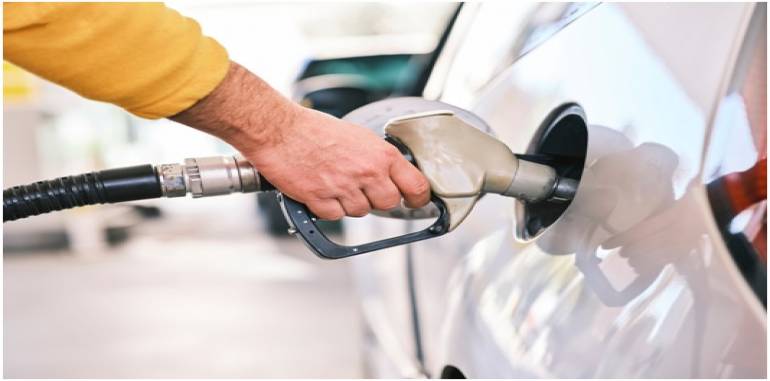
DIESEL FUEL TESTING
WHAT IS DIESEL TESTING?
Diesel testing is a
comprehensive process that ensures diesel fuel and diesel engines meet
standards for efficiency, safety, and environmental compliance. This testing is
crucial across industries where diesel engines are heavily relied on, such as
transportation, agriculture, manufacturing, and shipping. The testing process
can be divided into two main categories: Diesel Fuel Testing and Diesel Engine
Testing. Each category includes a variety of
specialized tests designed to assess fuel quality and engine performance,
respectively.
1. DIESEL FUEL TESTING
Diesel fuel testing focuses on
the quality and properties of the fuel itself. High-quality diesel fuel ensures
better engine performance, reduces emissions, and prolongs the life of engine
components. Key tests in this category include:
A)
CETANE NUMBER TESTING
- Purpose: Measures the fuel’s ignition quality, similar to how
octane rating is used for gasoline.
- Importance: A higher cetane number generally leads to more
efficient combustion, smoother engine operation, and reduced emissions.
- Testing Methods: Cetane number is usually tested using an engine
test or an Ignition Quality Tester (IQT).
B)
DENSITY AND VISCOSITY TESTING
- Purpose: Determines the fuel’s density and viscosity, essential
for proper flow in diesel engines, especially under varying temperature
conditions.
- Importance: Ensures that the fuel can flow correctly through the
engine system, reducing the risk of fuel injector clogging or inefficient
combustion.
- Testing Methods: Instruments like densitometers and viscometers measure
these properties.
C)
SULFUR CONTENT TESTING
- Purpose: Measures the sulfur concentration in diesel.
- Importance: High sulfur levels are harmful to the environment,
contributing to acid rain and health hazards. Most regions have strict
limits on sulfur content for diesel fuel.
- Testing Methods: X-ray fluorescence (XRF) and sulfur
analyzers are commonly used for sulfur content testing.
D)
FLASH POINT TESTING
- Purpose: Determines the temperature at which the diesel fuel
will ignite in the presence of a flame.
- Importance: Critical for storage and transportation safety, as it
affects the risk of accidental combustion.
- Testing Methods: Flash point is commonly tested using Pensky-Martens
Closed Cup (PMCC) or Tag Closed Cup testers.
E)
COLD FLOW PROPERTIES (CLOUD POINT, POUR POINT)
- Purpose: Evaluates the diesel’s performance in cold
temperatures.
- Importance: Essential for regions with cold climates, as diesel
fuel can gel at low temperatures, affecting its flow in the engine.
- Testing Methods: Cloud point and pour point are
measured to see at what temperatures wax crystals start to form and fuel
stops flowing, respectively.
F)
CONTAMINANT TESTING
- Purpose:
Checks
for water, particulates, and
microbial contamination.
- Importance: Contaminants in diesel fuel can cause issues like
clogged injectors, corroded fuel lines, and reduced engine efficiency.
- Testing Methods: Microbial tests, centrifuge tests for
water content, and filtration for particulate matter.
2. DIESEL ENGINE TESTING
Diesel engine testing focuses
on evaluating how the engine operates with diesel fuel under various
conditions. This is important for ensuring that engines perform efficiently,
reliably, and with minimal emissions. Key tests in this category include:
A)
PERFORMANCE TESTING
- Purpose: Measures the engine’s power output, fuel efficiency,
and torque.
- Importance: Ensures the engine operates within specified
performance standards, maximizing power while maintaining fuel efficiency.
- Testing Methods: Engines are often mounted on dynamometers to
test under various loads and speeds.
B) EMISSIONS TESTING
- Purpose: Analyzes the types and quantities of pollutants
emitted from the engine.
- Importance: Emissions testing is critical for regulatory
compliance and reducing environmental impact. It measures pollutants like CO₂,
NOₓ, CO, and
particulate matter.
- Testing Methods: Emissions testing is often done in a chassis
dynamometer lab, where exhaust gases are captured and analyzed with gas
analyzers and particulate counters.
C)
COMBUSTION ANALYSIS
- Purpose: Examines how the fuel ignites and burns within the
engine.
- Importance: Effective combustion improves fuel efficiency, lowers
emissions, and reduces engine wear.
- Testing Methods: Instruments like combustion analyzers and in-cylinder
pressure sensors are used to study combustion characteristics.
D)
DURABILITY AND ENDURANCE TESTING
- Purpose: Tests the engine’s resilience over extended use.
- Importance: This type of testing simulates real-world conditions
over long periods to check for wear, component degradation, and engine
longevity.
- Testing Methods: Engine
durability testing is often done in controlled environments where the
engine operates for long hours, sometimes days or weeks, at varying speeds
and loads.
E)
VIBRATION AND NOISE TESTING
- Purpose: Assesses the levels of noise and vibration the engine
produces.
- Importance: Noise and vibration testing helps identify comfort and
reliability issues, which can affect user experience and indicate
underlying engine issues.
- Testing Methods: This can be done with sound level meters, accelerometers,
and vibration analyzers.
F)
ENGINE EFFICIENCY TESTING
- Purpose: Assesses the engine’s fuel efficiency under different
operating conditions.
- Importance: Higher efficiency translates to cost savings and
reduced emissions for the user.
- Testing Methods: Typically conducted on a dynamometer, where fuel
consumption is measured at different power outputs and loads.
STANDARDS AND COMPLIANCE
Diesel testing often follows
international standards, such as:
- ASTM (American Society for Testing
and Materials) standards
for fuel testing.
- ISO (International Organization for
Standardization) standards
for both fuel quality and engine performance.
- Environmental Regulations: Various government agencies like the EPA
(Environmental Protection Agency) in the United States and Euro
6 standards in Europe set strict guidelines for emissions and fuel
quality.
IMPORTANCE OF DIESEL TESTING
Diesel testing benefits
manufacturers, consumers, and the environment by:
- Enhancing Engine Performance: Ensures optimal engine efficiency, longevity, and
reduced wear.
- Ensuring Regulatory Compliance: Helps manufacturers and operators meet environmental
and safety standards.
- Reducing Environmental Impact: Minimizes harmful emissions and pollutants.
- Lowering Maintenance Costs: Identifies fuel or engine issues early, preventing
costly repairs or replacements.
In summary, diesel testing
is a multi-faceted approach that involves rigorous quality and performance
assessments for both the fuel and engine. It helps achieve a balance between
power, efficiency, environmental responsibility, and durability.
📄 Document
Title: APPLICATION FORM OF DIESEL FUEL TESTING
📜 Document Instructions:
Format: 📝 Word Document
Service Related FAQ
What is product testing?
Product testing is the process of evaluating a product's performance, quality, and safety by testing it in real-world conditions or controlled environments. It helps ensure the product meets the standards before reaching the market
Why is product testing important?
Product testing is crucial to ensure: • Safety and reliability • User satisfaction • Regulatory compliance • Durability and performance • Identifying potential issues or improvements
How are products tested?
Products can be tested in various ways, including: • Lab testing: Conducted in a controlled environment to analyze specific characteristics (e.g., strength, safety). • Field testing: Evaluates the product in real-life situations. • Consumer testing: A group of target users tests the product for feedback on usability and performance. • A/B testing: Comparing two versions of a product to determine which performs better.
Who conducts product testing?
Product testing is typically done by: • In-house teams within a company • Third-party testing organizations • Focus groups or test panels made up of consumers • Independent experts or laboratories
What types of products are tested?
Nearly any type of product can undergo testing, including: • Electronics (e.g., phones, laptops) • Clothing and textiles • Food and beverages • Health and beauty products • Automotive parts • Household items • Toys and baby products
How long does product testing take?
The duration depends on the type of product and the scope of testing. Some products can be tested in a few weeks, while others might require months of testing, especially if they involve complex safety assessments or regulatory approvals.
What are the different types of product tests?
Common types include: • Safety tests (e.g., checking for harmful chemicals or risks) • Performance tests (e.g., durability, battery life, usability) • Usability tests (e.g., how easy and intuitive it is for the user) • Market tests (e.g., focus groups, consumer feedback) • Compliance tests (e.g., ensuring the product meets industry standards)
Can consumers participate in product testing?
Yes! Many companies invite consumers to participate in product testing through online panels, focus groups, or direct consumer feedback. Some even offer free products or compensation for their time.
What are the benefits of product testing?
• Identifying flaws or design issues before launch • Increasing customer satisfaction by understanding consumer needs • Reducing the risk of product recalls or lawsuits • Gaining a competitive advantage with a high-quality product
How do companies select test participants?
Companies typically look for participants who represent their target audience. This could be based on factors like age, location, interests, or specific product needs. Participants may be selected through online sign-ups, social media calls, or market research firms.
What happens after testing?
After product testing, companies analyze the data collected, make necessary improvements, and adjust the design or production process. In some cases, further rounds of testing may be necessary before the product is launched.
What are the ethical considerations in product testing?
Ethical product testing involves: • Ensuring participants' privacy and confidentiality • Obtaining informed consent from testers • Avoiding misleading or harmful tests • Offering fair compensation to testers when applicable
How can I get involved in product testing?
• Sign up for product testing programs on company websites • Join consumer testing panels • Look for legitimate product testing websites that connect testers with brands • Follow brands on social media for announcements about new tests

