Product Testing
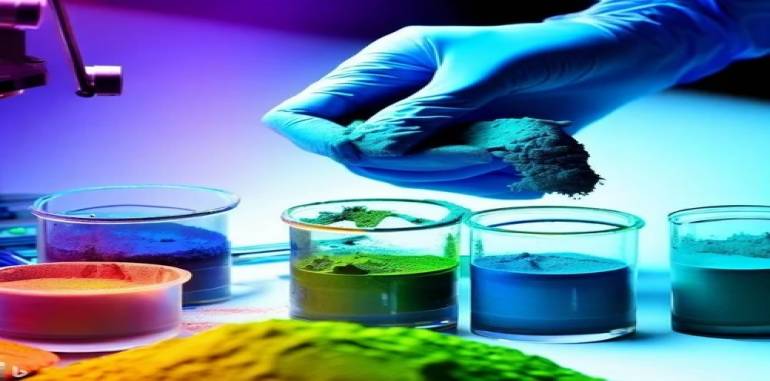
PAINT & COATING TESTING
WHAT IS PAINT AND COATING TESTING?
Paint and coating testing is a
detailed process that evaluates the performance, durability, safety, and
quality of paints, coatings, and finishes. This testing is essential for
ensuring that the product meets industry standards, complies with environmental
regulations, and meets consumer expectations for durability, appearance, and
performance in various environmental conditions. Paint and coating tests are
conducted to determine parameters such as adhesion, hardness, corrosion
resistance, color accuracy, gloss, and flexibility.
KEY OBJECTIVES OF PAINT
& COATING TESTING
Quality
Control: Ensures consistency and high-quality performance across
production batches.
Regulatory
Compliance: Confirms adherence to industry standards and regulations, such
as VOC (Volatile Organic Compounds) limits.
Durability
and Performance: Evaluates long-term performance in terms of adhesion, wear
resistance, color retention, and weathering.
Safety
Assurance: Verifies the coating is non-toxic and safe for use in specific
applications.
Aesthetic
and Functional Properties: Ensures color consistency,
gloss level, and texture meet specified standards for aesthetics and function.
TYPES OF PAINT AND COATING
TESTS
Paint and coating testing
includes a range of tests that assess physical, mechanical, environmental, and
chemical properties. Here are the main types of tests:
1. Adhesion Testing
Adhesion testing measures the
paint or coating’s ability to stick to a substrate without peeling or flaking.
Proper adhesion is critical for durability.
- Cross-Cut Test: Involves cutting a grid pattern on the coated surface
and applying adhesive tape to see if the coating peels off.
- Pull-Off Test: Uses a device to pull the coating away from the
substrate, measuring the force required to separate it.
- Scrape Adhesion Test: Measures resistance to scraping, indicating how well
the coating will adhere under physical stress.
2. Hardness Testing
Hardness testing assesses the
resistance of a paint or coating to scratches, dents, and abrasions, which
indicates how well the surface can withstand handling and wear.
- Pencil Hardness Test: Uses pencils of varying hardness to scratch the
coating and determine its hardness level.
- Scratch Hardness Test: Measures the resistance of the coating to a moving
scratch-inducing device.
- Indentation Hardness
Test: Uses an indenter to press
against the coating, assessing its ability to resist indentation.
3. Corrosion Resistance Testing
Corrosion testing evaluates how
well a coating protects the substrate (often metal) from rust and other forms
of corrosion, especially in harsh environments.
- Salt Spray Test: Exposes coated samples to a salt mist in a controlled
chamber to simulate long-term exposure to a corrosive environment.
- Humidity Test: Tests the coating's resistance to high humidity
levels, which can accelerate corrosion.
- Cyclic Corrosion Testing: Cycles the coating through dry, wet, and salt spray
conditions to simulate real-world weathering.
4. Chemical Resistance Testing
Chemical resistance tests
evaluate the coating's ability to resist chemicals like acids, alkalis,
solvents, oils, and cleaning agents.
- Immersion Test: The coated sample is immersed in a chemical solution
to see if it degrades or changes.
- Spot Test: Drops of chemicals are applied to the surface to
assess if the coating can resist them without discoloration or damage.
- Solvent Rub Test: Rubbing a solvent-saturated cloth on the coating
surface to assess resistance to solvent exposure, common in automotive and
industrial coatings.
5. Weathering and UV
Resistance Testing
Weathering tests simulate
outdoor exposure to evaluate how well the coating can withstand UV light,
moisture, and temperature variations without fading or deteriorating.
- UV Exposure Test: Exposes coatings to UV light, simulating sunlight
exposure to test for fading and degradation.
- QUV Accelerated
Weathering Test: Uses UV
light and condensation to simulate prolonged outdoor exposure.
- Thermal Cycling Test: Alternates between high and low temperatures to test
the coating’s resilience to thermal expansion and contraction.
6. Flexibility Testing
Flexibility
testing determines how well a coating can bend without cracking, which is
crucial for coatings applied to flexible substrates.
Mandrel
Bend Test: Involves
bending the coated sample around a cylindrical mandrel to assess cracking
resistance.
Conical
Mandrel Test: Similar to the mandrel bend test but uses a
conical mandrel to test varying levels of strain.
Impact
Flexibility Test: Tests the
coating’s resistance to cracking when struck with an impact force.
7. Gloss
and Color Testing
Gloss and color testing ensure
that the coating has the desired visual properties and that color remains
consistent across different production batches.
Gloss
Meter Test: Uses a gloss meter to measure the reflective properties of the
coating surface at different angles (e.g., 20°, 60°, or 85°).
Color
Matching and Consistency Test: Evaluates color accuracy using
a spectrophotometer to ensure the color matches design specifications.
Hiding
Power Test: Determines how well the paint or coating covers a substrate, especially
over dark surfaces.
8. Thickness Testing
Thickness testing assesses the
film thickness of a coating, which impacts its durability, protection level,
and appearance.
- Micrometer Measurement: Uses a micrometer to measure coating thickness
directly on a substrate.
- Magnetic Gauge (for
metallic substrates):
Measures thickness on metal substrates based on magnetic field changes.
- Eddy Current Testing: Measures non-metallic coatings on metallic substrates
through changes in eddy currents induced by an alternating current.
9. Abrasion Resistance Testing
Abrasion testing evaluates a
coating's resistance to wear and tear caused by friction or rubbing, which is
crucial for high-traffic or frequently handled surfaces.
- Taber Abrasion Test: Involves a rotating abrasive wheel on the coated
sample to test its resistance to abrasion.
- Falling Sand Abrasion
Test: Measures resistance to wear by
subjecting the coating to sand particles falling from a set height.
- Rotary Abrasion Test: Similar to the Taber test but uses a rotary brush to
simulate wear and tear.
10. VOC Testing and
Environmental Compliance
Volatile organic compounds
(VOCs) testing ensures that the coating complies with environmental standards,
as high VOCs can contribute to air pollution and health issues.
- VOC Content Test: Measures the amount of VOCs in the coating to confirm
compliance with legal limits.
- Emissions Test: Evaluates the rate of VOC emissions from a cured
coating.
- Solvent Content Testing:
Identifies any hazardous
solvents in the formulation to ensure safety and environmental compliance.
REGULATORY STANDARDS AND
GUIDELINES
Regulatory standards for paints
and coatings vary by country but include specific guidelines for VOC levels,
toxicity, durability, and performance.
1.
EPA (Environmental Protection Agency): In the U.S., the EPA regulates VOC levels in
paints and coatings to minimize air pollution.
2.
ASTM (American Society for Testing and
Materials): Provides standardized
methods for testing paint adhesion, hardness, and chemical resistance.
3.
ISO Standards (International Organization for
Standardization): Offers various
international standards for paint testing, including ISO 2409 for adhesion and
ISO 1518 for scratch resistance.
4.
European Union Standards: The EU imposes strict VOC limits for paints
and coatings under the REACH regulation.
5.
BIS (Bureau of Indian Standards): Provides standards for paint testing in
India, including gloss, color retention, and durability requirements.
IMPORTANCE AND BENEFITS OF
PAINT & COATING TESTING
1.
Consumer Safety: Ensures that paints and coatings are safe,
free from harmful chemicals, and emit low levels of VOCs.
2.
Enhanced Durability: Testing helps develop coatings that resist
wear, corrosion, UV exposure, and chemicals, extending their lifespan.
3.
Regulatory Compliance: Reduces the risk of fines or recalls by
ensuring the coating meets local and international standards.
4.
Aesthetic Appeal: Ensures that coatings maintain their color,
gloss, and texture for attractive and consistent finishes.
5.
Sustainability: Testing helps promote environmentally friendly
formulations, such as low-VOC and water-based coatings, which minimize
environmental impact.
CONCLUSION
Paint and coating testing
is essential for producing high-quality, durable, and safe coatings for various
applications, from automotive to industrial and residential use. By rigorously
assessing adhesion, hardness, corrosion resistance, and chemical properties,
manufacturers can ensure their coatings meet regulatory standards and customer
expectations. Through testing, companies can also innovate in sustainability,
creating products that are safer and more environmentally friendly.
📄 Document
Title: APPLICATION FORM OF PAINT & COATING TESTING
📜 Document Instructions:
Format: 📝 Word Document
Service Related FAQ
What is product testing?
Product testing is the process of evaluating a product's performance, quality, and safety by testing it in real-world conditions or controlled environments. It helps ensure the product meets the standards before reaching the market
Why is product testing important?
Product testing is crucial to ensure: • Safety and reliability • User satisfaction • Regulatory compliance • Durability and performance • Identifying potential issues or improvements
How are products tested?
Products can be tested in various ways, including: • Lab testing: Conducted in a controlled environment to analyze specific characteristics (e.g., strength, safety). • Field testing: Evaluates the product in real-life situations. • Consumer testing: A group of target users tests the product for feedback on usability and performance. • A/B testing: Comparing two versions of a product to determine which performs better
Who conducts product testing?
Product testing is typically done by: • In-house teams within a company • Third-party testing organizations • Focus groups or test panels made up of consumers • Independent experts or laboratories
How long does product testing take?
The duration depends on the type of product and the scope of testing. Some products can be tested in a few weeks, while others might require months of testing, especially if they involve complex safety assessments or regulatory approvals.
What types of products are tested?
Nearly any type of product can undergo testing, including: • Electronics (e.g., phones, laptops) • Clothing and textiles • Food and beverages • Health and beauty products • Automotive parts • Household items • Toys and baby products
What are the different types of product tests?
Common types include: • Safety tests (e.g., checking for harmful chemicals or risks) • Performance tests (e.g., durability, battery life, usability) • Usability tests (e.g., how easy and intuitive it is for the user) • Market tests (e.g., focus groups, consumer feedback) • Compliance tests (e.g., ensuring the product meets industry standards)
Can consumers participate in product testing?
Yes! Many companies invite consumers to participate in product testing through online panels, focus groups, or direct consumer feedback. Some even offer free products or compensation for their time.
What are the benefits of product testing?
• Identifying flaws or design issues before launch • Increasing customer satisfaction by understanding consumer needs • Reducing the risk of product recalls or lawsuits • Gaining a competitive advantage with a high-quality product
How do companies select test participants?
Companies typically look for participants who represent their target audience. This could be based on factors like age, location, interests, or specific product needs. Participants may be selected through online sign-ups, social media calls, or market research firms.
What happens after testing?
After product testing, companies analyze the data collected, make necessary improvements, and adjust the design or production process. In some cases, further rounds of testing may be necessary before the product is launched.
What are the ethical considerations in product testing?
Ethical product testing involves: • Ensuring participants' privacy and confidentiality • Obtaining informed consent from testers • Avoiding misleading or harmful tests • Offering fair compensation to testers when applicable
How can I get involved in product testing?
• Sign up for product testing programs on company websites • Join consumer testing panels • Look for legitimate product testing websites that connect testers with brands • Follow brands on social media for announcements about new tests

