Product Testing
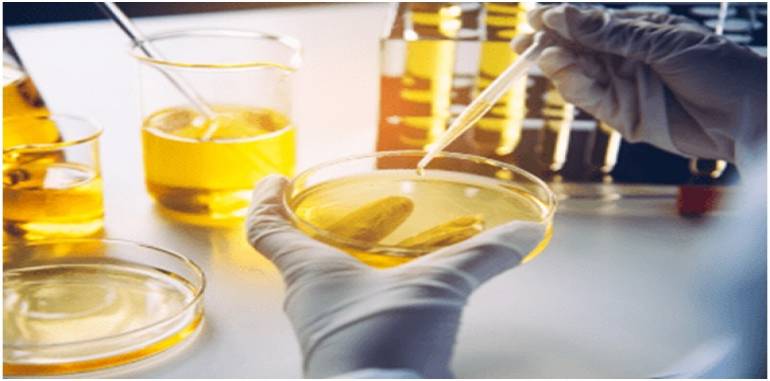
Oil And Petroleum Testing
Oil And Petroleum Testing
WHAT IS
OIL AND PETROLEUM TESTING?
Oil and petroleum
testing refers to the
scientific analysis of oil, gas, and petroleum products to assess their
composition, quality, and performance. These tests are crucial in various industries,
including automotive, aviation, marine, and manufacturing, to ensure that the
fuels, lubricants, and petroleum-derived products meet stringent safety,
performance, and regulatory standards.
Petroleum testing
covers a wide range of tests that evaluate the chemical and physical properties
of crude oil, refined petroleum products, natural gas, and lubricants to ensure
their safe handling, efficient performance, and environmental compliance.
IMPORTANCE
OF OIL AND PETROLEUM TESTING
- Ensures
Product Quality: Tests ensure that petroleum
products like gasoline, diesel, lubricants, and crude oil meet industry
standards and perform efficiently.
- Regulatory
Compliance: It ensures compliance with
local and international environmental and safety regulations (such as
ASTM, ISO, and EPA standards).
- Safety: Testing ensures the safe
handling, storage, and transportation of oil and petroleum products by
identifying any potential hazards like volatility or contamination.
- Prevents
Equipment Failure: In industries that rely heavily
on machinery (e.g., power plants, automotive, and aviation), oil and
lubricant testing helps avoid equipment failure due to wear,
contamination, or improper oil formulations.
- Protects
the Environment: Oil and petroleum testing
identifies harmful contaminants and pollutants, helping to minimize
environmental impacts like air and water pollution.
- Optimizes
Performance: Testing allows companies to select the right fuel,
lubricants, and additives that enhance performance while reducing wear and
emissions.
KEY
AREAS OF OIL AND PETROLEUM TESTING
1.
Crude Oil Testing: Evaluates the
composition, quality, and value of crude oil, including its density, sulfur
content, and distillation characteristics.
2.
Fuel Testing: Determines the properties of fuels like gasoline, diesel,
aviation fuel, and marine fuel. Tests evaluate parameters like octane/cetane
number, volatility, and flash point.
3.
Lubricant Testing: Analyzes lubricating
oils used in engines, gearboxes, and industrial machinery. Key parameters
include viscosity, oxidation stability, contamination, and additive depletion.
4.
Petrochemical Testing: Evaluates the quality
of chemicals derived from petroleum products (such as ethylene, propylene, and
butadiene) used in manufacturing plastics, synthetic rubber, and other
materials.
5.
Natural Gas Testing: Analyzes the
composition and calorific value of natural gas to ensure its efficiency as an
energy source.
6.
Additive Testing: Analyzes the
performance of additives (e.g., detergents, corrosion inhibitors) in fuel and lubricants,
ensuring they improve efficiency and reduce wear.
7.
Environmental Testing: Detects pollutants,
such as hydrocarbons, sulfur, nitrogen compounds, and heavy metals in petroleum
products, to ensure compliance with environmental standards.
COMMON
OIL AND PETROLEUM TESTS
1.
Viscosity Testing: Measures the
resistance of oil or fuel to flow. Viscosity affects the efficiency of fuel
combustion and the performance of lubricants.
2.
Flash Point Testing: Determines the lowest
temperature at which oil or fuel vapors will ignite. This is a critical safety
parameter for storage and transport.
3.
Pour Point Testing: Measures the lowest temperature at which oil remains fluid. It
is essential for cold weather performance in engines and machinery.
4.
Density and Specific Gravity: Determines the density of the oil, which
influences its energy content and helps classify fuel types.
5.
Octane and Cetane Number: Octane rating is for gasoline, while cetane rating is for
diesel. Higher numbers indicate better combustion efficiency.
6.
Sulfur Content Testing: Measures the amount of sulfur in fuels. High sulfur content
can lead to environmental issues such as acid rain and can damage engines.
7.
Distillation Testing: Determines the boiling range of petroleum products like
gasoline or diesel, affecting their performance in engines.
8.
Water and Sediment Testing: Detects water and
solid particles in oil or fuel that can cause corrosion, wear, and performance
issues in engines and machinery.
9.
Total Acid Number (TAN): Measures the acidity of oil. High acidity can cause corrosion
and reduce the life of engines or industrial machinery.
Oxidation Stability: Assesses the resistance of lubricants or fuels to oxidation,
which can cause the formation of harmful deposits.
- Ash
Content: Measures the amount of inorganic residue left after
combustion, which affects the performance of petroleum products in engines.
METHODS
USED IN OIL AND PETROLEUM TESTING
1.
Gas Chromatography (GC): Separates and
analyzes the components of petroleum products, often used to measure
hydrocarbon composition and impurities.
2.
Mass Spectrometry (MS): Identifies the molecular composition of petroleum products by
measuring the mass-to-charge ratio of ions.
3.
Fourier Transform Infrared Spectroscopy (FTIR): Analyzes the chemical bonds within petroleum
products to detect contaminants and degradation products.
4.
X-ray Fluorescence (XRF): Determines the elemental composition of oils and fuels, often
used for sulfur and heavy metal detection.
5.
Karl Fischer Titration: Measures water
content in petroleum products, which is crucial to preventing rust and
corrosion in engines and tanks.
- Viscometer: Measures the viscosity or thickness of oil and
lubricants, affecting how well they perform under different temperature
and pressure conditions.
APPLICATIONS
OF OIL AND PETROLEUM TESTING
1.
Energy Sector: Oil and petroleum
testing is vital in refineries, oil rigs, and pipelines to ensure the safety
and efficiency of oil extraction, refining, and distribution.
2.
Automotive Industry: Fuel quality and
lubricant testing are essential for ensuring engine performance and longevity.
3.
Aviation and Marine: Testing fuels such as aviation kerosene or marine diesel
ensures safety and optimal performance in critical environments.
4.
Industrial Manufacturing: Lubricants and
hydraulic oils are tested to ensure machinery operates efficiently, minimizing
downtime and preventing costly breakdowns.
5.
Environmental Monitoring: Ensures compliance
with environmental regulations by detecting pollutants and harmful emissions in
petroleum products.
6.
Research and Development: Oil and petroleum
testing supports the development of new fuel formulations, biofuels, and
synthetic lubricants that enhance performance and reduce environmental impact.
REGULATORY
STANDARDS FOR OIL AND PETROLEUM TESTING
Many countries and
organizations enforce strict regulations on the quality and safety of oil and
petroleum products. Some of the leading standards include:
1.
ASTM International: Develops technical
standards for petroleum testing, such as ASTM D86 for distillation, ASTM D445
for viscosity, and ASTM D975 for diesel fuel.
2.
ISO (International Organization for Standardization): Sets international standards for the testing and analysis of
petroleum products, including lubricants and fuels.
3.
American Petroleum Institute (API): Provides guidelines for petroleum
exploration, production, and refining. API ratings are often used for
classifying lubricants and oils.
4.
Environmental Protection Agency (EPA): Regulates fuel emissions and environmental
impact standards in the U.S., setting limits on pollutants like sulfur and
nitrogen in fuels.
5.
EU Directives: European Union
regulations on fuel quality, emissions, and environmental protection set strict
limits on sulfur content and fuel efficiency.
6.
Bureau of Indian Standards (BIS): Oversees petroleum product quality standards
in India, ensuring safety and compliance with national and international norms.
CHALLENGES
IN OIL AND PETROLEUM TESTING
1.
Complex Compositions: Petroleum products have complex chemical
compositions, making it challenging to identify contaminants or ensure uniform
quality.
- Environmental
Concerns: Stricter environmental regulations require more
thorough testing for pollutants and emissions, adding to the complexity
and cost.
- Cost
and Infrastructure: High-tech testing equipment
like chromatographs and spectrometers are costly and require skilled
technicians.
- Rapid
Technological Changes:
The shift toward renewable
energy and biofuels demands new testing methods to ensure compatibility
and performance with conventional systems.
FUTURE TRENDS IN OIL AND PETROLEUM TESTING
1.
Biofuel Testing: As the demand for cleaner energy grows, testing methods will
evolve to evaluate the performance, stability, and environmental impact of
biofuels.
2.
Automation and AI: The use of automated
systems and artificial intelligence for real-time monitoring and predictive
maintenance of oil quality is expected to rise.
3.
Sustainability and Green Energy: Testing methods will increasingly focus on minimizing
environmental damage, assessing carbon footprints, and developing cleaner
fuels.
Oil and petroleum
testing plays a vital role in ensuring product quality, safety, regulatory
compliance, and environmental sustainability, making it essential across
multiple industries, from energy production to transportation and
manufacturing.
Service Related Faq
📄 Document
Title: APPLICATION FORM OF OIL AND PETROLEUM TESTING
📜 Document Instructions:
Format: 📝 Word Document
Service Related FAQ
What is product testing?
Product testing is the process of evaluating a product's performance, quality, and safety by testing it in real-world conditions or controlled environments. It helps ensure the product meets the standards before reaching the market.
Why is product testing important?
Product testing is crucial to ensure: • Safety and reliability • User satisfaction • Regulatory compliance • Durability and performance • Identifying potential issues or improvements
How are products tested?
Products can be tested in various ways, including: • Lab testing: Conducted in a controlled environment to analyze specific characteristics (e.g., strength, safety). • Field testing: Evaluates the product in real-life situations. • Consumer testing: A group of target users tests the product for feedback on usability and performance. • A/B testing: Comparing two versions of a product to determine which performs better.
Who conducts product testing?
Product testing is typically done by: • In-house teams within a company • Third-party testing organizations • Focus groups or test panels made up of consumers • Independent experts or laboratories
How long does product testing take?
The duration depends on the type of product and the scope of testing. Some products can be tested in a few weeks, while others might require months of testing, especially if they involve complex safety assessments or regulatory approvals.
What types of products are tested?
Nearly any type of product can undergo testing, including: • Electronics (e.g., phones, laptops) • Clothing and textiles • Food and beverages • Health and beauty products • Automotive parts • Household items • Toys and baby products
What are the different types of product tests?
Common types include: • Safety tests (e.g., checking for harmful chemicals or risks) • Performance tests (e.g., durability, battery life, usability) • Usability tests (e.g., how easy and intuitive it is for the user) • Market tests (e.g., focus groups, consumer feedback) • Compliance tests (e.g., ensuring the product meets industry standards)
Can consumers participate in product testing?
Yes! Many companies invite consumers to participate in product testing through online panels, focus groups, or direct consumer feedback. Some even offer free products or compensation for their time.
What are the benefits of product testing?
• Identifying flaws or design issues before launch • Increasing customer satisfaction by understanding consumer needs • Reducing the risk of product recalls or lawsuits • Gaining a competitive advantage with a high-quality product
How do companies select test participants?
Companies typically look for participants who represent their target audience. This could be based on factors like age, location, interests, or specific product needs. Participants may be selected through online sign-ups, social media calls, or market research firms.
What happens after testing?
After product testing, companies analyze the data collected, make necessary improvements, and adjust the design or production process. In some cases, further rounds of testing may be necessary before the product is launched.
What are the ethical considerations in product testing?
Ethical product testing involves: • Ensuring participants' privacy and confidentiality • Obtaining informed consent from testers • Avoiding misleading or harmful tests • Offering fair compensation to testers when applicable
How can I get involved in product testing?
• Sign up for product testing programs on company websites • Join consumer testing panels • Look for legitimate product testing websites that connect testers with brands • Follow brands on social media for announcements about new tests

