Training
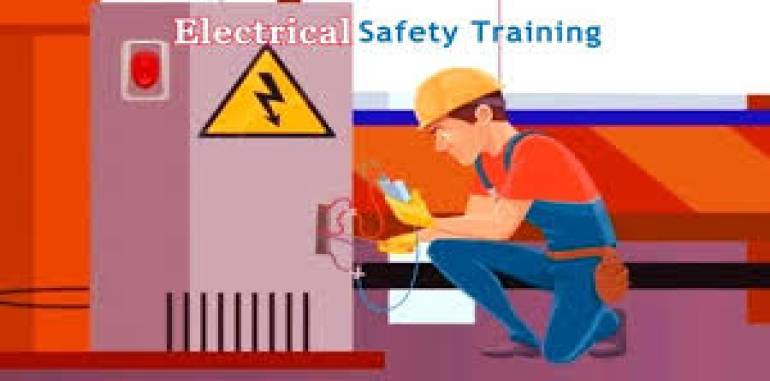
Electrical Safety Training
Meaning
Electrical
Safety Training is a structured program designed to educate employees,
technicians, engineers, and maintenance staff on how to work safely with
or around electrical systems, equipment, and installations. The goal is
to prevent electrical accidents, such as shocks, burns, fires, arc
flashes, or electrocution, and to ensure compliance with safety standards like:
· OSHA
(Occupational Safety and Health Administration)
· NFPA
70E (Standard for Electrical Safety in the Workplace)
· IEC
standards, national electrical codes, or local regulations
Training
Process (Step-by-Step)
1.
Introduction to Electrical Safety
- Importance
of electrical safety in the workplace
- Common
causes of electrical accidents
- Legal
responsibilities of employers and employees
- Key
standards (OSHA, NFPA 70E, IEC, local codes)
2.
Basics of Electricity
- Voltage,
current, resistance (Ohm's Law)
- AC
vs. DC systems
- Grounding
and bonding
- Circuit
protection (fuses, breakers, RCDs/ELCBs)
3.
Identifying Electrical Hazards
- Contact
with live wires or energized parts
- Overloaded
circuits
- Damaged
cords, plugs, and tools
- Arc
flash and arc blast risks
- Static
electricity in hazardous environments
- Wet
conditions and improper grounding
4.
Safe Work Practices
- Lockout/Tagout (LOTO): Ensuring equipment is de-energized before work
- Using
insulated tools and test equipment
- Keeping
a safe distance from energized parts
- Avoiding
jewelry and metal accessories
- Housekeeping: no clutter near electrical panels
5.
Personal Protective Equipment (PPE)
- Arc-rated
clothing
- Rubber
gloves with leather protectors
- Safety
glasses or face shields
- Insulated
footwear
- PPE
selection based on arc flash risk assessments
6.
Working with Energized Equipment
- When
it's necessary (e.g., troubleshooting)
- Live
work permits
- Shock
and arc flash boundaries
- Use
of barriers and signs
- Two-person
rule for high-risk tasks
7.
Emergency Response & First Aid
- How
to respond to electric shock or burns
- Using
fire extinguishers on electrical fires (Class C or CO₂)
- Calling
for emergency help
- CPR
and first aid for electrical injuries
- Reporting
and documenting incidents
8.
Training Reinforcement & Evaluation
- Real-life
examples and case studies
- Hands-on
practice (e.g., LOTO demonstration)
- Quizzes
or competency checks
- Certificates
of completion
- Annual
refresher training

