Product Certification
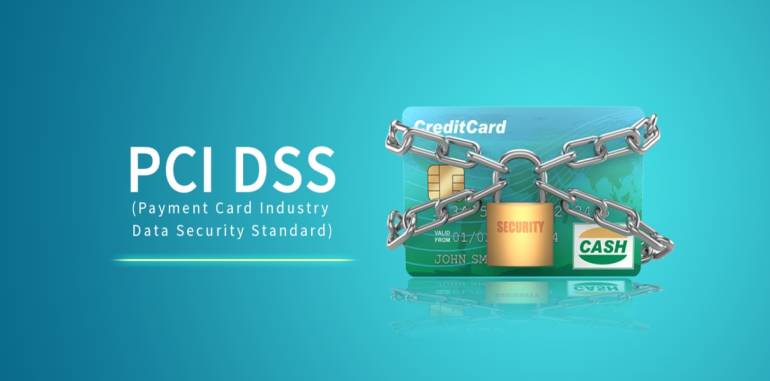
PCI-DSS (Payment Card Industry – Data Security Standard)
PCI-DSS Certification – Meaning
PCI-DSS (Payment Card Industry – Data Security Standard) certification is a global security standard created to protect cardholder data (credit/debit card information).
It is required for all businesses that store, process, or transmit card payment information.
PCI-DSS ensures your organization follows strict security controls such as:
-
Secure network and systems
-
Encryption of card data
-
Strong access control
-
Regular security testing
-
Secure policies and procedures
It helps prevent fraud, data theft, and cyber-attacks related to card payments.
Who Needs PCI-DSS?
-
E-commerce companies
-
Payment gateways
-
Banks & financial institutions
-
Retail outlets accepting card payments
-
FinTech companies
-
Any business handling card information
Benefits of PCI-DSS Certification
1. Protects Cardholder Data
Your customer’s card information stays safe from hackers and data breaches.
2. Builds Customer Trust
Customers feel more secure when your business follows international security standards.
3. Reduces Risk of Fraud
Strong controls reduce chances of card fraud, cyber-attacks, and unauthorized access.
4. Legal & Contractual Compliance
Many banks and card networks (Visa, MasterCard, etc.) require PCI-DSS compliance before working with you.
5. Avoids Penalties & Financial Loss
Non-compliance can result in heavy fines, legal problems, and reputational damage.
6. Improves Security Systems
Your internal IT infrastructure, network security, and processes become stronger and more reliable.
7. Competitive Advantage
Certification increases your credibility and helps in winning new clients, especially in IT, finance, and e-commerce sectors.
8. Better Brand Reputation
Being certified shows your company takes customer security seriously.
📄 Document
Title: APPLICATION FORM OF PCI-DSS
📜 Document Instructions:
Format: 📄 PDF
Service Related FAQ
What is product certification?
Product certification is the process where a product is tested and evaluated by an accredited third party to ensure it meets specific safety, quality, or performance standards. This certification confirms that the product complies with regulatory or industry standards.
Why is product certification important?
Certification ensures product safety, reliability, and compliance with laws and regulations. It builds consumer trust, provides a competitive edge, and can be a legal requirement in many industries.
What types of products require certification?
The need for certification depends on the product and industry. Commonly certified products include electronics, toys, medical devices, food products, and construction materials. It may also be required for products with environmental or energy-related claims, like energy-efficient appliances.
What are the common types of product certifications?
• Safety Certifications: Ensures products meet safety standards (e.g., CE marking in Europe, UL for electronics in the U.S.). • Quality Certifications: Demonstrates consistent product quality (e.g., ISO 9001). • Environmental Certifications: For products that meet eco-friendly standards (e.g., Energy Star, EPEAT). • Organic Certifications: For products made with organic materials (e.g., USDA Organic). • Health Certifications: For products in the medical, pharmaceutical, and food industries (e.g., FDA approval, NSF certification).
How do I get my product certified?
The process varies by certification type and country. Generally, it involves: 1. Identifying the right certification body: Choose an accredited agency or organization for the certification. 2. Testing: The product may need to undergo testing for quality, safety, or performance. 3. Compliance with standards: Ensure the product meets the relevant standards or regulations. 4. Certification application: Submit an application and relevant documentation. 5. Audit and inspection: Some certifications require an audit or on-site inspection. 6. Receiving the certification: If the product passes all requirements, you will receive the certification.
How long does the certification process take?
The duration depends on the complexity of the product and the type of certification. It can range from a few weeks to several months. The process may be quicker for standard products and longer for high-risk or complex ones
Is product certification mandatory?
It depends on the product and country. Some certifications are required by law (e.g., food and drug safety), while others are voluntary but can improve marketability. It's essential to check local regulations and industry requirements.
What happens if my product doesn’t meet certification standards?
If your product fails certification, you may be required to make modifications to meet the standards. Depending on the severity of non-compliance, you might need to redesign the product or improve testing procedures. Failing to comply can result in penalties, fines, or inability to market the product.
Can I use a certification from one country in another?
Some certifications are internationally recognized (e.g., CE mark in the EU, UL mark in the U.S.), while others may be country-specific. It’s important to ensure that the certification complies with the regulatory standards of the country where you intend to sell the product.
How long is product certification valid?
Product certifications typically have a validity period and may need to be renewed periodically (e.g., every 1-3 years). Renewal may involve additional testing or audits to ensure ongoing compliance.
What is the cost of product certification?
Certification costs vary widely based on the product type, certification body, and testing requirements. Fees may include application fees, testing fees, inspection costs, and renewal costs. Always request a quote to understand the full cost involved.
Can I market my product without certification?
While it may be possible to sell uncertified products in certain markets, it is not advisable, especially for products subject to strict regulations (e.g., toys, electronics, food, etc.). Lack of certification can result in legal consequences, consumer distrust, and challenges in entering certain markets
What is the difference between self-certification and third-party certification?
• Self-certification: The manufacturer or company declares that the product meets the required standards without external verification. This is common for low-risk products. • Third-party certification: An independent accredited organization tests and certifies that the product complies with relevant standards. This is often required for high-risk or regulated products.
Can I use the certification logo on my product packaging?
Yes, once your product is certified, you can usually use the certification logo or mark on your product packaging. However, there are rules governing the use of these logos, and unauthorized use may result in legal action. Always confirm with the certifying body the proper guidelines for displaying the logo.
What are the risks of not certifying a product?
Risks include: • Legal issues and fines for non-compliance. • Product recalls if the product is found to be unsafe. • Loss of consumer trust and brand reputation. • Inability to enter certain markets or industries that require certification.

