Training
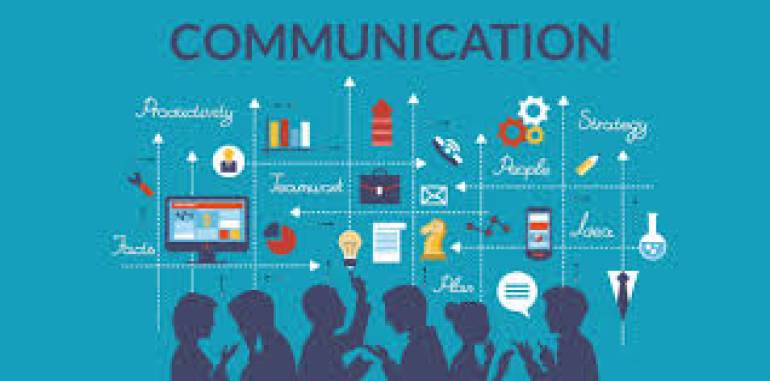
Communication Skills for Supervisors Training
Meaning
- Communication
Skills for Supervisors Training is a structured program aimed at
helping supervisors, team leaders, and frontline
managers develop the skills needed to communicate clearly,
confidently, and effectively with:
- · Team
members
- · Peers
- · Senior
management
- · Customers
or external partners
This training helps supervisors become better leaders,
reduce misunderstandings, and boost team performance.
Training Process (Step-by-Step)
<hrsize=2 width="100%" align=center></hr
1. Understanding the Role of Communication in Supervision
- Importance
of communication in leadership
- Impact
of poor vs. strong communication
- Communication
challenges supervisors face (e.g., giving criticism, handling resistance)
2. Types of Workplace Communication
- Verbal: Meetings,
instructions, feedback
- Non-verbal: Body
language, tone, facial expressions
- Written: Emails,
reports, instructions
- Digital: Chat
apps, notices, dashboards
3. Active Listening Skills
- What
is active listening?
- How
to show you’re listening (eye contact, body language)
- Techniques: paraphrasing,
summarizing, clarifying
- Listening
to understand, not just to respond
4. Giving Clear Instructions
- Breaking
tasks into simple steps
- Avoiding
assumptions or unclear language
- Confirming
understanding (ask the team to repeat or summarize)
- Using
visuals or demonstrations when necessary
5. Providing Feedback & Constructive Criticism
- Difference
between praise, feedback, and criticism
- How
to give feedback that motivates and improves performance
- The
SBI model (Situation – Behavior – Impact)
- How
to handle defensive responses
6. Handling Difficult Conversations
- Talking
about poor performance, attendance, or conflict
- Staying
calm and respectful
- Using
assertive—not aggressive—language
- Focusing
on facts, not feelings
7. Building Confidence & Assertiveness
- Speaking
up without being rude or passive
- Standing
your ground respectfully
- Managing
nervousness or emotional conversations
- Using
“I” statements instead of blame
8. Cross-Department and Upward Communication
- Communicating
with other departments or upper management
- Reporting
clearly: updates, issues, progress
- Adapting
language for different audiences
9. Practical Exercises & Role Plays
- Practice
real scenarios:
- Delegating
tasks
- Giving
corrective feedback
- Handling
conflicts
- Motivating
a demotivated team member
- Group
discussions, video analysis, and peer feedback
📄 Document
Title: COMPANY PROFILE OF COMMUNICATION SKILL FOR SUPERVISORS TRAINING
📜 Document Instructions:
"Please review our company profile and feel free to contact us for any inquiries. We look forward to connecting with you!"

